
Welcome to the Low Intervention Table
Modern wine lists can feel like a small dictionary of fashionable terms. Organic, biodynamic, natural, low-sulphite, unfiltered, spontaneous, zero-zero, and vegan bottles may sit beside one another, yet these descriptions do not all refer to the same thing. Some describe vineyard farming, others concern cellar technique, and several remain broad, informal expressions without a single legal definition.
The most useful approach is neither to accept every claim as proof of quality nor to dismiss the movement as a passing trend. Instead, look at what happens from vine to bottle. Selecting bottles crafted with minimal intervention can reveal an honest expression of terroir and vineyard character, but the pleasure still depends on balance, cleanliness, and suitability for the occasion. A lively, lightly cloudy white can be thrilling with oysters; a fragile, highly volatile bottle may be less welcome at a dinner where reliability matters. Low-intervention wine is best approached with curiosity, sensory pleasure, and a clear understanding of what the label does and does not promise.
Understanding the Fundamentals of Organic and Biodynamic Viticulture
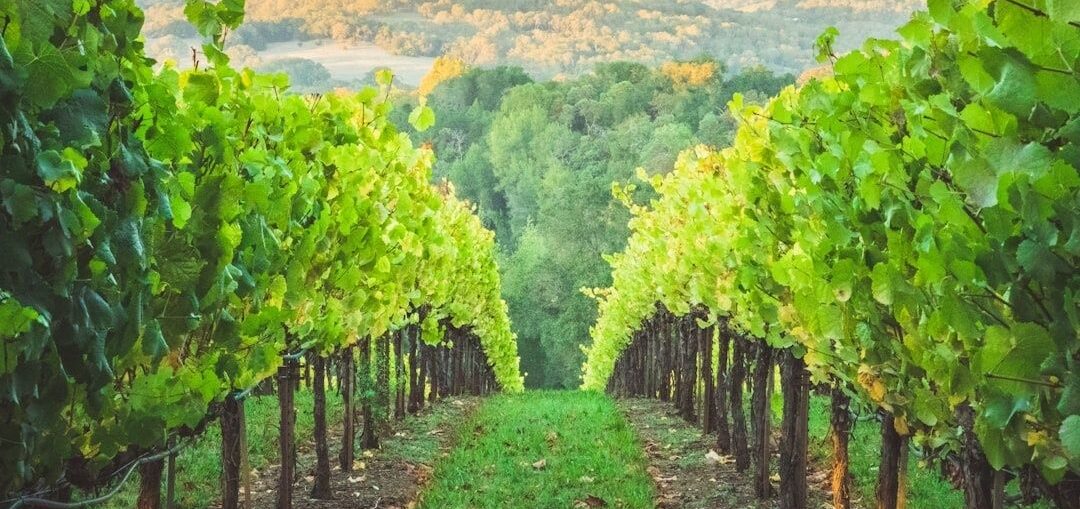
Organic viticulture begins in the vineyard. Its central purpose is to avoid synthetic pesticides, herbicides, and artificial fertilisers, replacing them with approved alternatives and farming practices intended to protect soil, biodiversity, and vine health. Depending on the country and certification scheme, permitted treatments can include sulphur, copper-based products, compost, and naturally derived preparations. Organic certification therefore establishes a farming framework, but it does not automatically tell you whether a wine was fermented with native yeast, filtered, fined, or lightly adjusted in the cellar.
Biodynamic farming incorporates organic principles but views the vineyard as a connected, living organism rather than simply a crop-producing site. Growers work with compost preparations, ecological diversity, and a more holistic view of soil, plants, animals, and farm management. Biodynamics is also associated with agricultural calendars that take account of lunar and cosmic cycles, a feature that distinguishes it from standard organic practice. These ideas are interpreted differently by individual growers, but formal certification is more specific than an evocative phrase on a back label.
The Demeter certification standards require rigorous adherence to ecological balance and closed-loop vineyard management. Demeter certification involves an annual inspection against its biodynamic standard in addition to the regular organic inspection, so the designation represents an ongoing verification process rather than a one-time philosophical declaration. That distinction matters when reading a wine list. A bottle may come from a conscientious organic grower without carrying a certification, while a certified biodynamic wine has met a defined set of requirements.
- Organic primarily describes how the grapes are grown and which vineyard inputs are permitted.
- Biodynamic adds a holistic farming system, specific preparations, ecological aims, and, when certified, additional inspection requirements.
- Natural usually describes a low-intervention cellar philosophy, but the term has no single universal legal definition.
- Vegan means that animal-derived fining materials or other animal products have been avoided; it does not necessarily mean organic or natural.
- Zero-zero generally signals that nothing was added and little or nothing was removed, although individual producer interpretations should still be checked.
The Cellar Reality of Low Sulphites and Spontaneous Fermentation
Sulphur dioxide, often referred to simply as sulphur or sulphites, is one of the winemaker”s most important protective tools. It acts as an antioxidant, helping limit browning and loss of freshness, and as an antimicrobial agent, reducing the risk of unwanted bacterial activity and spoilage. Some sulphites occur naturally during fermentation, which means that truly sulphite-free wine is not a realistic description. The meaningful question is usually how much was added, when it was added, and how stable the finished wine is.
At one end of the spectrum, conventional winemaking may use cultured yeast, temperature control, filtration, fining, acid adjustment, and carefully measured sulphur additions to achieve consistency. Organic and biodynamic wines may use many of the same cellar techniques while differing in vineyard management. Low-intervention producers often prefer native yeasts, which are present on grapes and in the winery, and may avoid fining or filtration. “Zero-zero” wines take this principle further, with no added sulphur and no intentional additions or removals, but this can make the wine more sensitive to oxygen, warmth, and transport.
| Category | Primary focus | Common cellar possibilities |
|---|---|---|
| Conventional | Consistency and control | Selected yeast, filtration, fining, additives, and sulphur as needed |
| Organic | Certified vineyard practices | Cellar methods vary; organic does not automatically mean unfiltered or low-sulphite |
| Biodynamic | Holistic, certified farm ecosystem | Cellar choices vary, from traditional control to minimal intervention |
| Natural or low-intervention | Minimal manipulation | Native fermentation, limited sulphur, little fining, and little or no filtration |
| Zero-zero | Nothing added or removed | No added sulphur, fining, filtration, or other deliberate cellar adjustments |
Spontaneous fermentation can bring aromatic complexity, textural breadth, and a sense of place, but it also demands attentive fruit selection and precise cellar work. A wine made without cultured yeast is not automatically more expressive, just as a wine with a modest sulphur addition is not automatically less authentic. Sulphur can protect a delicate white from oxidation and allow its fruit to remain vivid over time. Equally, a restrained approach can preserve a wine”s freshness and energy when the vineyard fruit is healthy and the winery conditions are sound.
Reading the Glass with Sensory Confidence
Low-intervention wines often announce themselves through texture and movement before they reveal a familiar aroma profile. A natural haze may come from suspended yeast or the absence of filtration. A pét-nat, short for pétillant naturel, is commonly bottled before fermentation has fully finished, creating a gentle, sometimes exuberant sparkle. Skin-contact whites, often called orange wines, gain amber colour, tannin, and a savoury grip from extended contact with grape skins. These characteristics can be surprising without being faults.
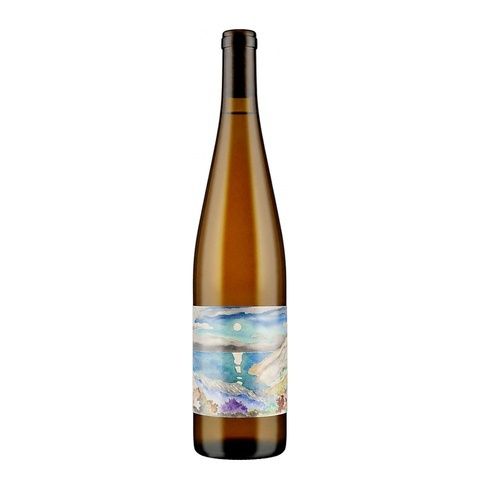
Consider the difference between a wine that is rustic but balanced and one that is genuinely spoiled. Crisp orchard fruit, lively acidity, herbal lift, and coastal salinity can give a bottle an energetic, almost electric impression. By contrast, excessive volatile acidity may smell of nail-polish remover or sharp vinegar. Oxidation can flatten fruit and produce bruised-apple or cider-like notes where a wine should feel bright. A persistent mousy finish, perceived as an unpleasant animal or grainy sensation that appears after swallowing, is another sign of microbial instability rather than a desirable expression of terroir.
Minimal fining and filtration can preserve aromatic compounds, natural colour, and a broader mouthfeel. A lightly cloudy white may feel rounder and more layered than a highly polished equivalent, while an unfiltered red can carry extra savoury depth. Still, appearance is only one part of the assessment. Swirl the glass, take a measured sip, and notice whether the wine gathers momentum, remains balanced, and invites another taste. A bottle does not need to be crystal clear to be precise, nor does it need to taste wild to qualify as natural.
- Look: Haze, sediment, and unusual colour may reflect a deliberate lack of filtration or skin contact.
- Smell: Fresh herbs, citrus peel, orchard fruit, flowers, and spice suggest vitality; vinegar, solvent, or bruised fruit can indicate instability.
- Taste: Acidity should refresh, tannin should provide structure, and any funk should sit within a balanced, drinkable profile.
- Finish: A clean saline or savoury ending is compelling; a persistent mousy or harsh sensation is not.
Curated Pairings and Host Etiquette for Low Intervention Bottles
Serving is part of the wine”s interpretation. Unfiltered whites may throw sediment, especially after transport, so let the bottle rest upright before opening. If clarity matters, pour slowly and stop before the sediment reaches the neck. If texture and completeness are the priority, a careful decant can bring the wine together, although very delicate bottles may lose their most lifted aromas with too much air. Sparkling pét-nats should be opened thoroughly chilled, with a hand over the cork and the bottle angled away from guests.
- Chill with purpose: Serve bright whites and pét-nats around 8 to 10 degrees Celsius. Skin-contact whites are often more expressive at 10 to 12 degrees, while lighter reds can benefit from a similar gentle chill.
- Open and taste first: Pour a small sample before serving the table. This allows the host to assess freshness, carbonation, and balance rather than assuming that every unusual aroma is intentional.
- Choose the vessel: Use a standard white-wine glass for aromatic whites and a slightly broader glass for skin-contact styles, which benefit from room for savoury aromas to unfold.
- Pair by structure: Match acidity with rich food, salinity with seafood, tannin with savoury texture, and aromatic intensity with strongly seasoned dishes.
High-acid, saline whites are particularly adaptable at the table. A lively Vinho Verde with pear, citrus, a faint spritz, and Atlantic freshness can sharpen shellfish, grilled vegetables, salads, soft cheeses, and spicy or Asian-inspired dishes. Skin-contact wines bring more grip and savoury breadth, making them attractive alongside roasted mushrooms, fermented vegetables, charred aubergine, saffron rice, poultry, and dishes built around miso or other umami-rich ingredients. Their structure allows them to meet food with substance rather than disappearing beside it.
At a wine bar or cellar door, direct questions are entirely appropriate. Ask whether the wine is certified organic or biodynamic, whether fermentation was spontaneous, how much sulphur was added, and whether the bottle is filtered. It is also useful to ask how the wine behaves once opened and whether the current vintage is especially cloudy, fizzy, or oxidative. A thoughtful sommelier will translate those details into a practical recommendation, perhaps steering you toward a clean, mineral white for a first taste or a more textural orange wine for a long meal.
Pour with Confidence and Savor the Living Bottle
There is no need to choose between ideology and pleasure. Organic farming, biodynamic stewardship, and low-intervention cellar work can all produce remarkable wines, but none is a guarantee of balance. The best bottle is the one that combines responsible care with clarity of purpose and suits the people, food, and mood around the table. A modest sulphur addition may preserve freshness; a cloudy appearance may signal texture; a certified label may offer reassurance about farming. Each detail is useful, but none replaces tasting.
Approach the category through conversation. Trusted sommeliers, independent merchants, and thoughtful producers can explain what a label cannot. Ask for a bottle with crisp acidity and saline freshness, or one with gentle tannin and savoury depth, rather than ordering by a buzzword alone. When the wine is sound, low-intervention bottles offer something special: a sense of movement, place, and season that makes each pour feel alive. Served with suitable food and good company, that vitality becomes more than a production philosophy. It becomes a memorable centrepiece for dining and conversation.